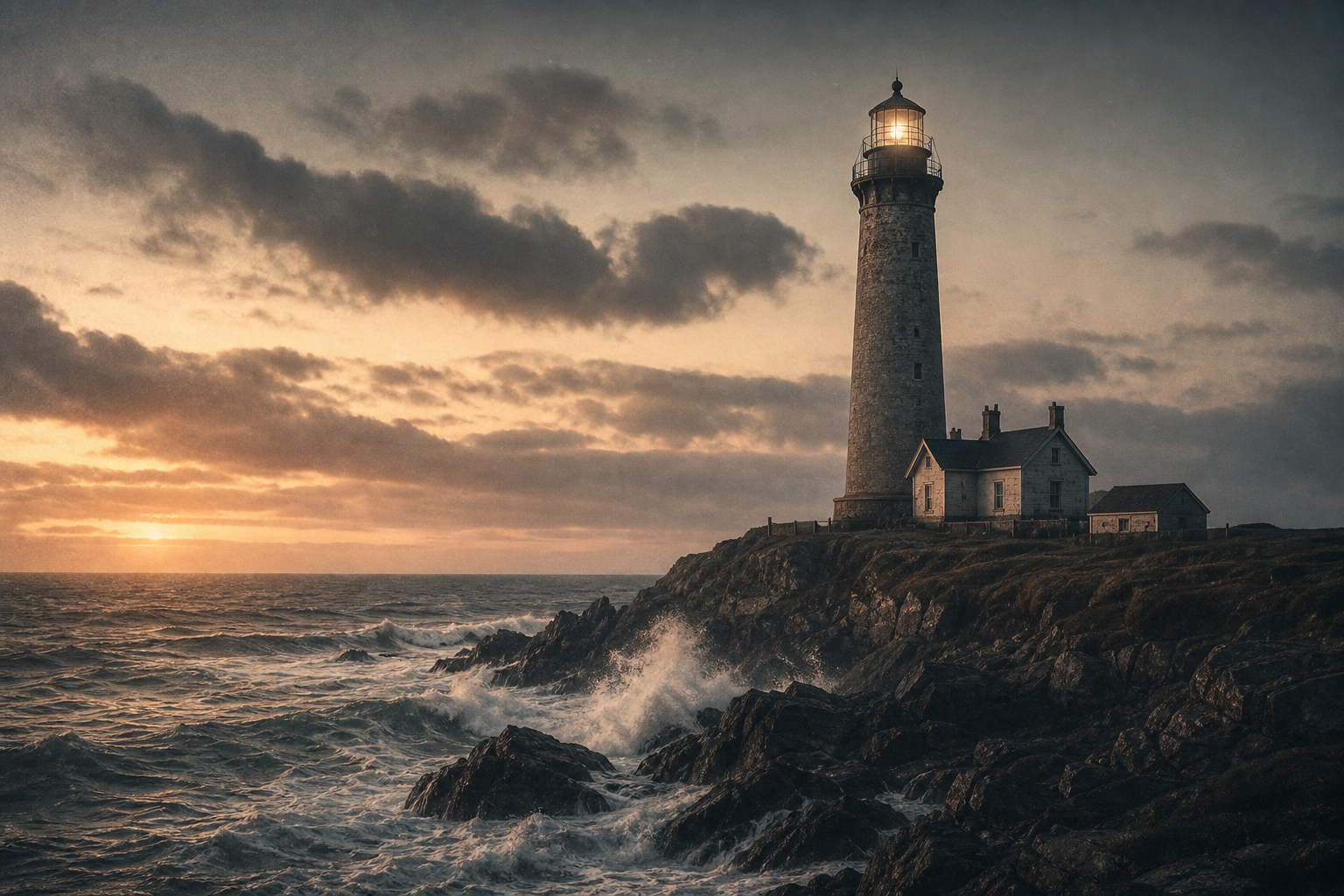
Dramatic lighthouse on a windswept northern shoreline at dusk with warm film-photography tones

Northern Coast Lighthouses

Beacons of the Northern Coast

A warm, image-led record of the towers, keepers, and shorelines that guided generations through weather, darkness, and distance.

  • Preserved coastal landmarks
  • Keeper stories and memory
  • Archive-led visual history

A Coast Written in Light

Northern towers once formed a chain of guidance for fishing boats, merchant routes, and storm-season passages.

  1. Early Construction

    Hazardous headlands marked by first stone lights.

  2. Expansion Era

    Growth of trade routes and busy harbor approaches.

  3. Keeper Working Years

    Long service in lamp rooms through changing seasons.

  4. Preservation Period

    Automation and decommissioning followed by restoration.
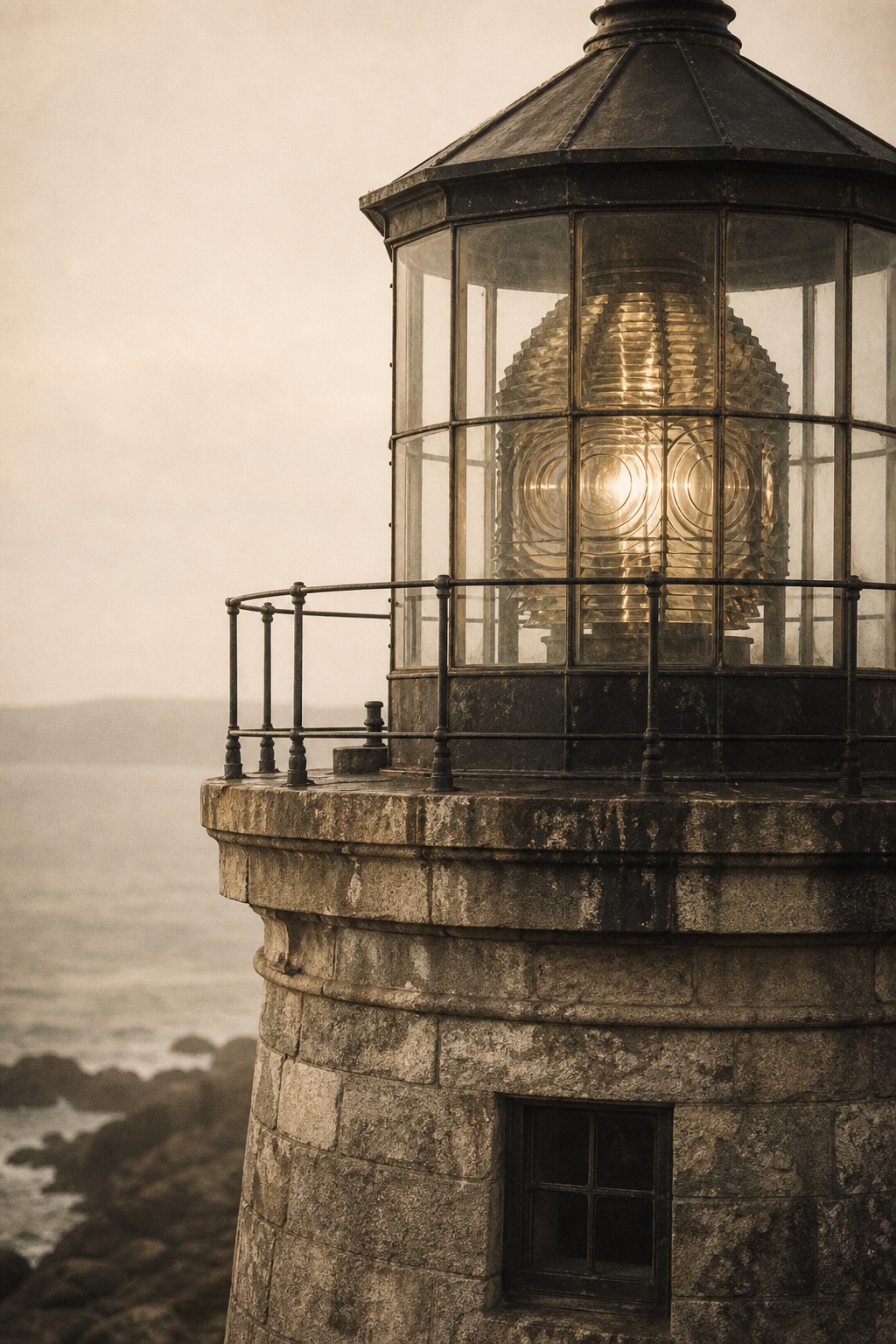
Close archival-style view of a lighthouse lantern room with weathered stone and soft shoreline haze in warm desaturated tones

Tower highlights

Preserved Along the Shore

These standing lights remain markers of weather, labor, and regional identity—kept in place by generations who refused to let the coastline forget.

Jump to the map
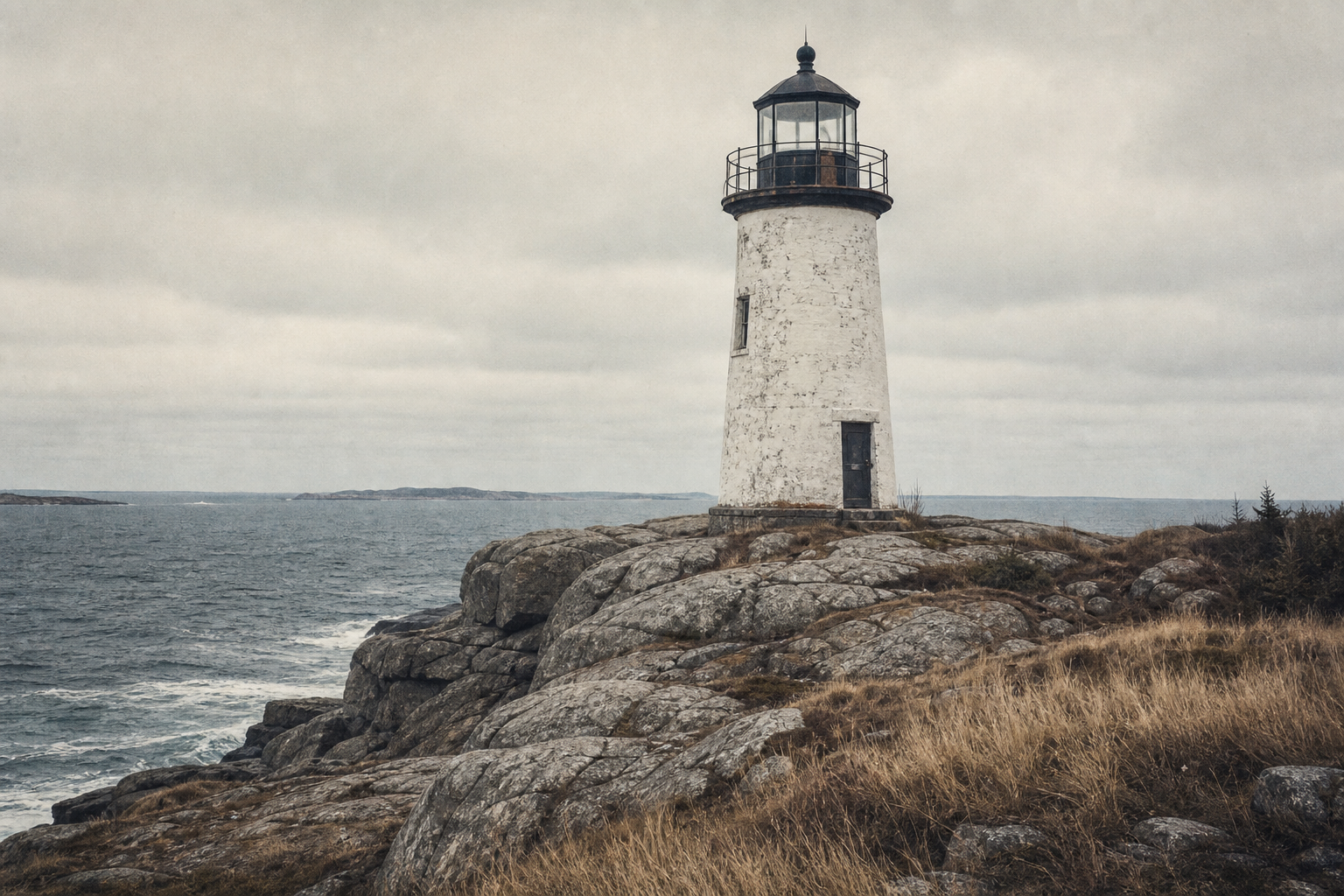
  • Bracken Point Light on a windswept granite bluff with weathered white tower and dark lantern cap

    Granite lantern room

    Bracken Point Light

    Raised above quarried stone in 1889, this bluffside light guided herring fleets through fog-heavy spring tides.

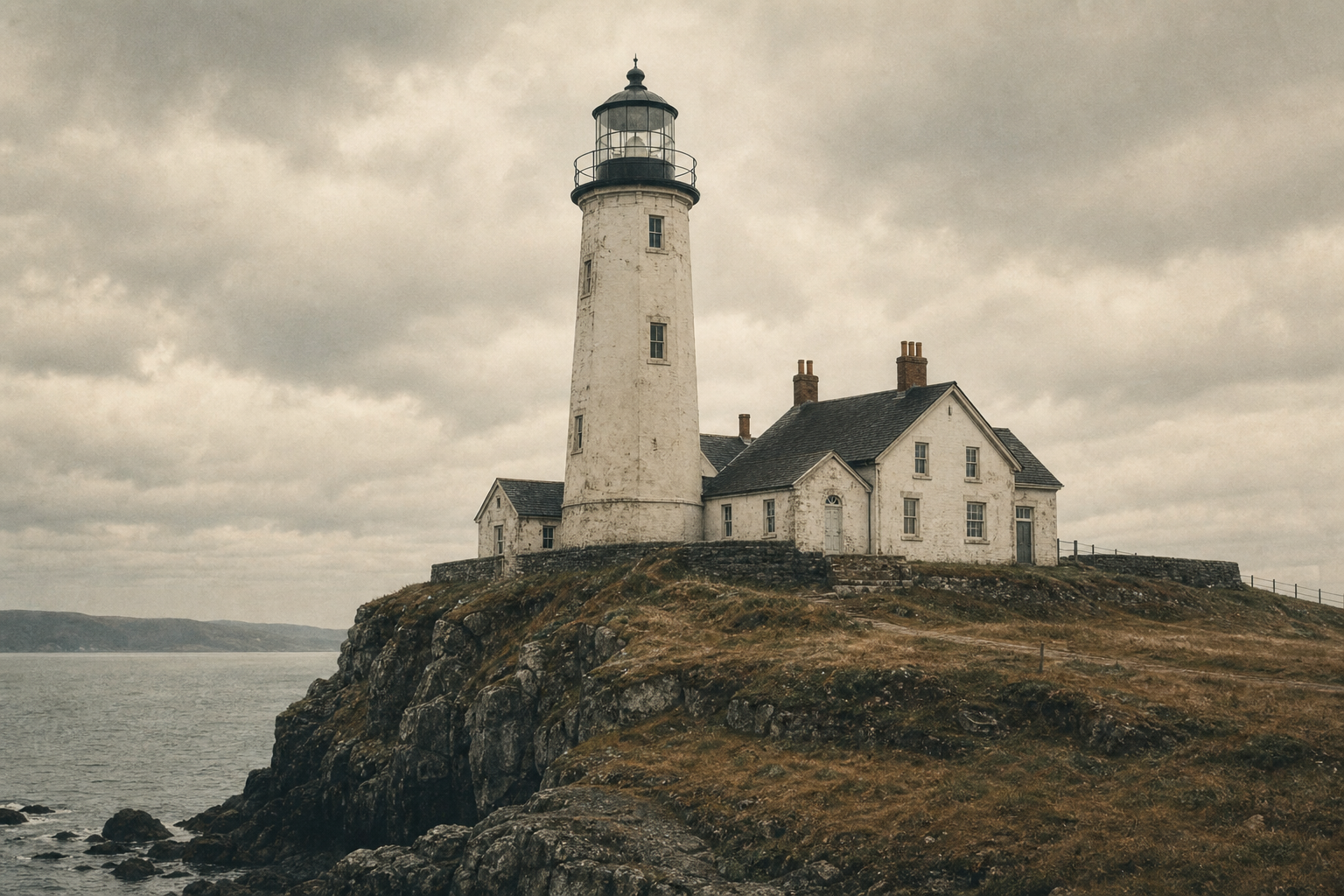
  • Northwatch Head Lantern with tall octagonal tower and keeper cottages facing gray coastal water

    Octagonal daymark

    Northwatch Head Lantern

    Known for its high gallery and long winter watch logs, Northwatch remains one of the coast’s most complete keeper stations.

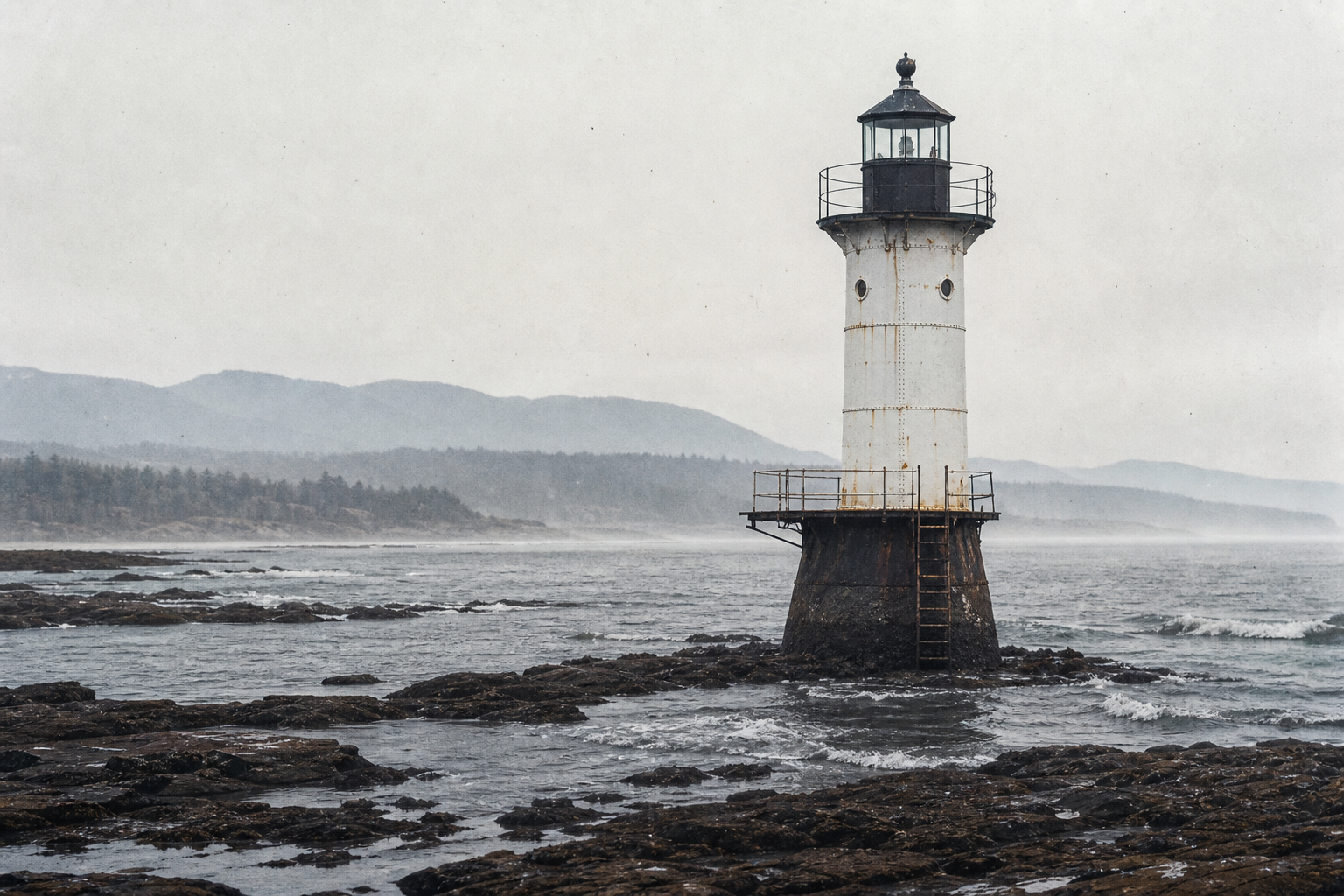
  • Saltmere Reef Light, a compact iron lighthouse standing at low tide beside black rock shelves

    Cast-iron caisson base

    Saltmere Reef Light

    A compact offshore beacon rebuilt after the 1912 gale, still aligned to the narrow channel used by coastal traders.

Keeper Accounts

Voices from the Lantern Rooms

Brief vignettes of labor, weather, and watchfulness across the northern coast lights.

Lead vignette

Third Bell in a Northeast Gale

By midnight the tower glass shook with sleet, and Keeper Marren logged each breaker by sound rather than sight. Between gusts he timed the beam, checked the wick height, and wrote, “Lantern steady. Sea not so.”

Locate this station on the map
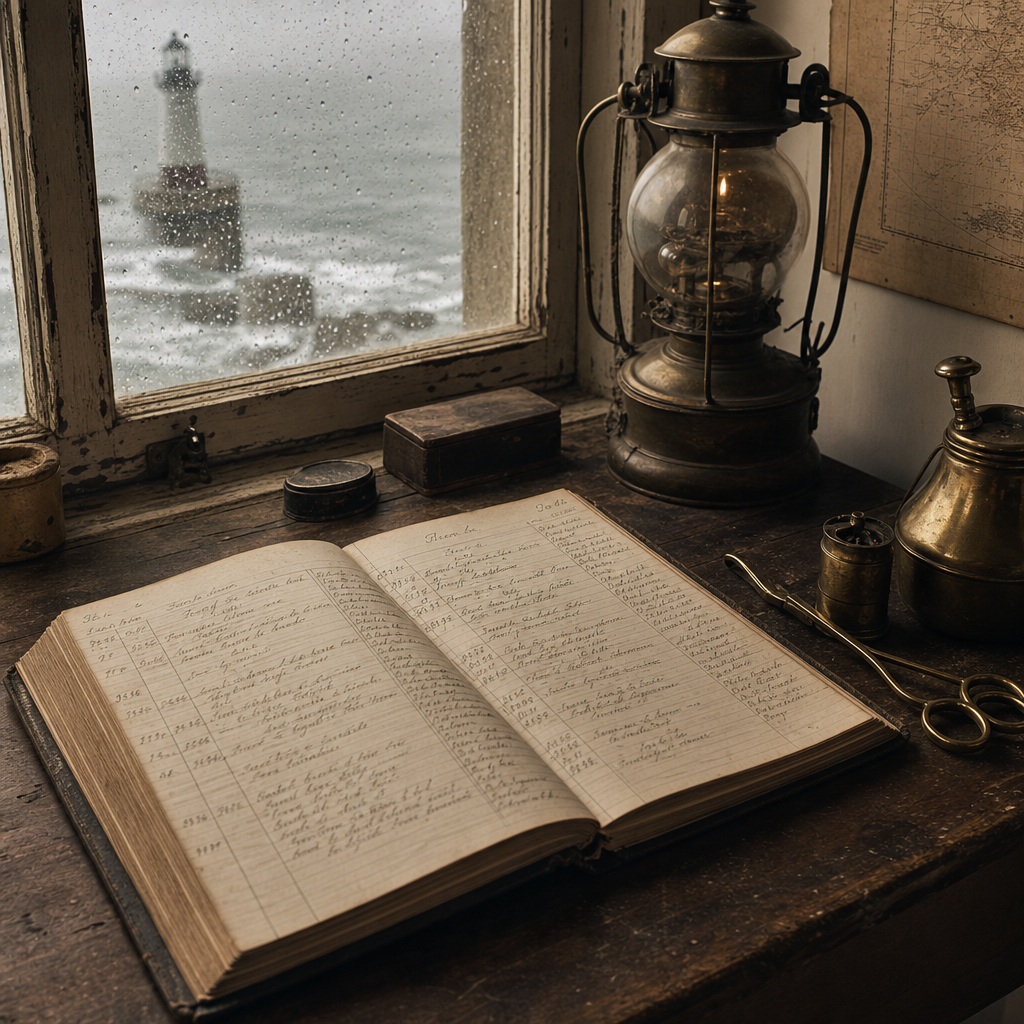
Weathered keeper desk with open logbook, brass lamp tools, and a rain-streaked window facing rough coastal water
Night entry, winter of 1911

Polishing the Fresnel Before Dawn

Each morning began with soot on the sleeves: trim the lamp, polish the lens prisms, wind the clockwork, note fuel remaining. Precision was routine, and routine was survival for ships beyond the shoals.

Return to tower profiles

Winter Watch, One Footstep at a Time

In January the relief boat often missed a week. Ice crept along the railings, gulls disappeared, and the foghorn became company. The keeper’s rounds—stairs, lantern, notes, tea—kept time when daylight did not.

See practical visit notes

Preserved Landmarks

Where the Towers Still Stand

This charted map traces preserved lighthouse landmarks along the northern shoreline, linking archival memory to present-day place.

Illustrated shoreline reference with four preserved lighthouse positions and archival chart notation.

Continue southward to practical planning in Visit Notes.

Visit Notes

Reference Notes

Browse a few practical clarifications on preservation status, access conditions, and how this archive presents coastal history.

Is every preserved tower open to the public?
No. “Preserved” indicates the structure remains protected or maintained; public entry depends on local stewardship, safety rules, and seasonal staffing.
What does “preserved” mean in this archive?
Here it means the tower footprint and documented history are still traceable through conservation records, standing fabric, or authenticated reconstruction notes.
Why were some coastal lights decommissioned?
Many were retired after channel realignment, automation, and modern navigation systems reduced the need for staffed beacons in their original positions.
What can coastal access be like near remote sites?
Conditions vary widely: unpaved approaches, tidal cutoffs, and weather exposure are common, so visitors should confirm trail notices and daylight windows before travel.
How does the archive balance photographs with oral history?
Each entry pairs dated imagery with cited interviews or keeper-family recollections, so visual evidence and lived memory are read together rather than ranked.

Updated for archive scope as of September 2026.